A year inside the Long Island High Tech Incubator as Sr. Clean Energy Tech Transfer Fellow — helping commercialize early-TRL hydrogen IP out of US national labs, running customer discovery across the H2 value chain, and shaping the lab-to-market cohort that won $150K in DOE funding.
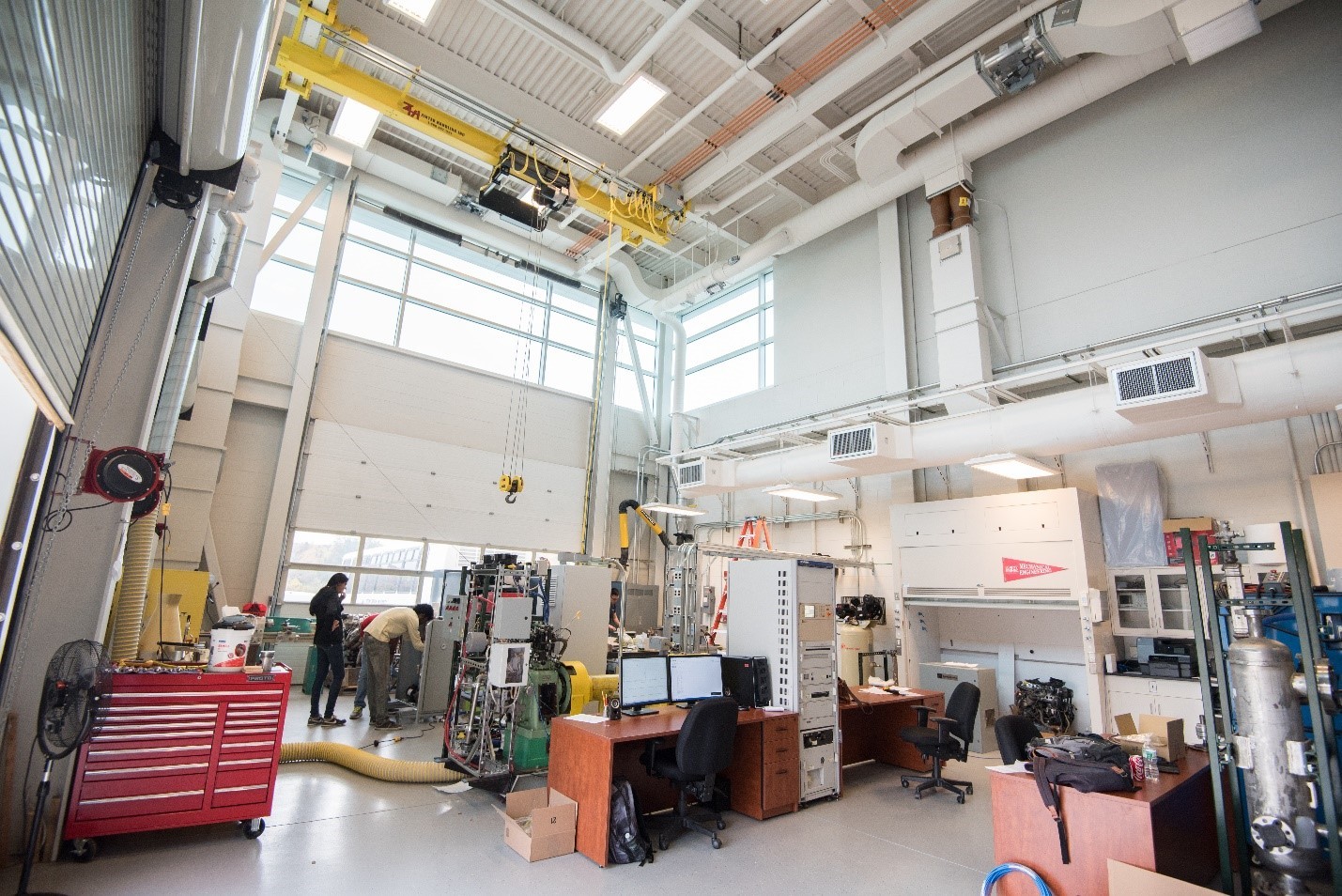
AERTC Labspace
DOE EPIC funding won
H2 value-chain interviews
Fellowship arc
NSF I-Corps cohort
Context
LIHTI's fellowship was set up as a general clean-energy tech-transfer program — moving early-TRL IP out of US national labs and toward something a customer could actually buy. The full scope ran across storage, materials, grid, and industrial heat.
My cohort chose hydrogen as our focus area: a wedge big enough to matter, narrow enough to make real progress on in a year. The cohort I mentored after mine kept that thread going — hydrogen was the only sub-sector they worked on.
Most of the IP we looked at was stuck at TRL 3 or 4: real science, no commercial path. The job was to find the ones that had a path, and then go figure out who'd buy them.
Work
The fellowship ran on three parallel tracks — commercial diligence on the IP, network-building across the value chain, and program work to scale the model.
Identified novel hydrogen IP from US national labs with viable commercialization paths, then vetted product-market fit through structured customer discovery.
Conducted 60+ interviews with stakeholders across the H2 value chain — OEMs, end users, utilities, corporates — to pressure-test where the technology actually fits.
Completed an NSF I-Corps innovation bootcamp, applying the curriculum directly to the lab IP under evaluation.
Supported design and operations of LIHTI's lab-to-market cohort, totally awards of $150,000 via DOE EPIC.
Mentored junior fellows on stakeholder communication and how to assess the commercial potential of early-TRL IP.
Outcome
The work built lasting relationships with tech-transfer offices across the DOE national-lab network — connections that continue to funnel novel technologies into the incubator from hydrogen and adjacent energy sectors.
What I took away is harder to scrap. The I-Corps bootcamp drilled in a customer-discovery muscle I still use on every engagement: get out of the building, talk to 60 people before you build anything for them, separate what they say from what they'll actually pay for.
I continue to pass on the lessons to new entrepreneurs every day.